320kbps.club
#2 / 20 August 2026
What Makes A Good Man?
21 tracks 1 hr 16 of listening5 countries Nonesuch Records × 2

The Heavy on the cover

21 tracks from 5 countries, from The Heavy to Busy P.

The #2 playlist

Play all, 1 hr 16
  1. 01What Makes A Good Man?, The Heavy3:22
  2. 02Rumble And Sway, Jamie N Commons3:14
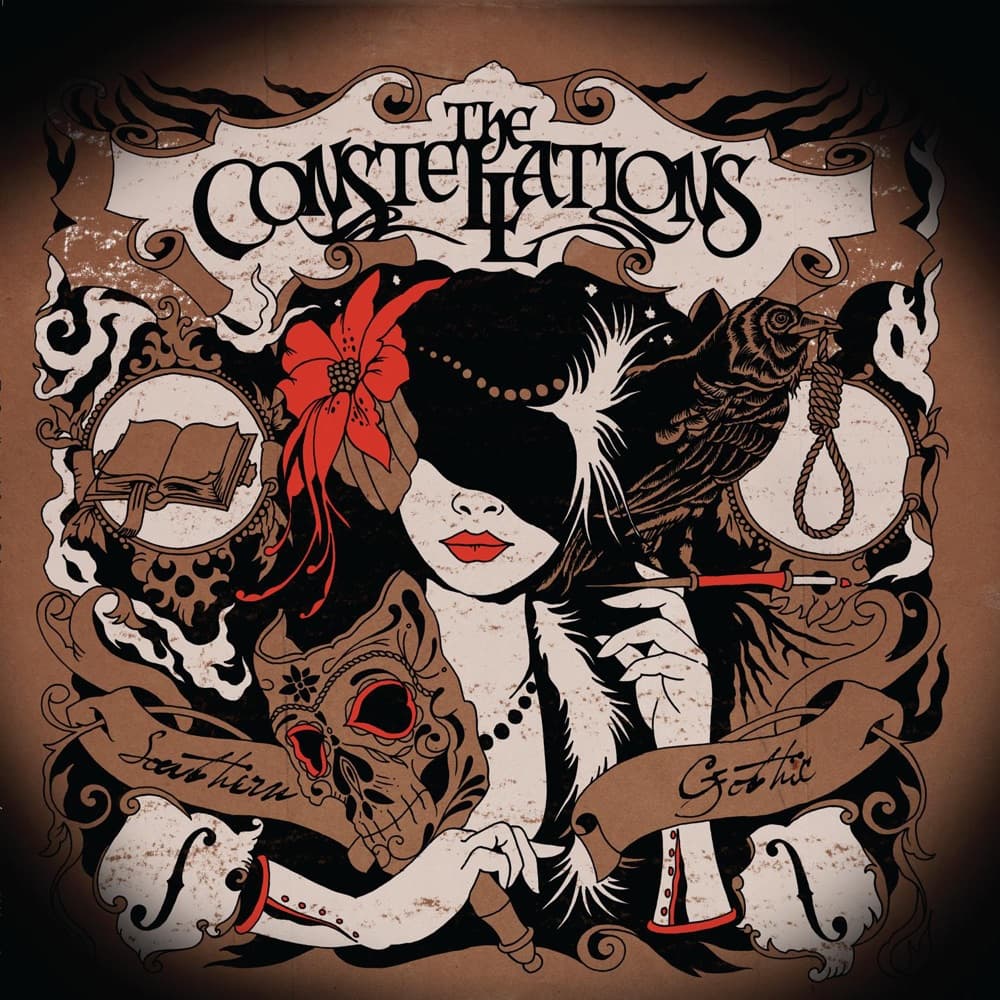
  3. 03Perfect Day, The Constellations4:25
  4. 04Legendary, Welshly Arms3:38
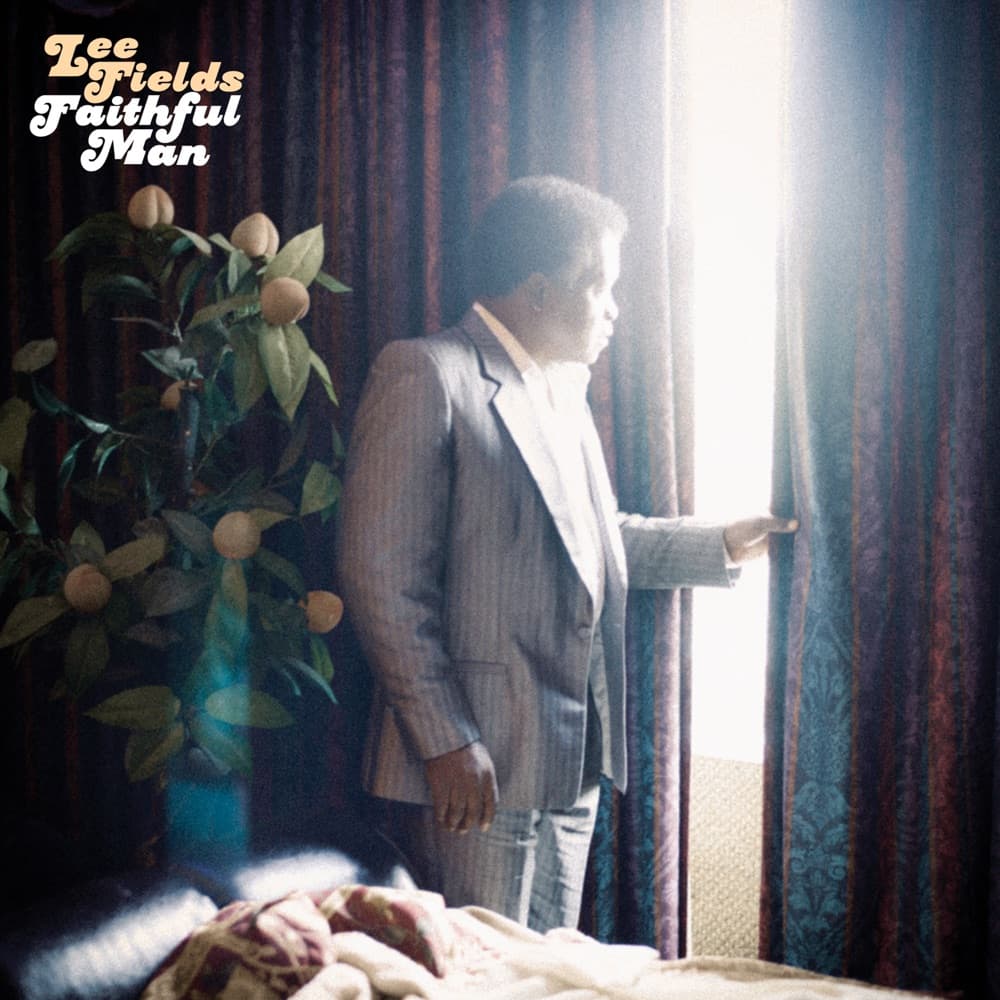
  5. 05Wish You Were Here, Lee Fields & The Expressions, Lee Fields4:13
  6. 06I'm the King, Six Def3:04
  7. 07Way down We Go, KALEO3:35
  8. 08Worthy, Jacob Banks3:18
  9. 09Cold Blood, Dave Not Dave4:04
  10. and 12 more
tracks
21
of listening
1 hr 16
countries
5
Nonesuch Records
× 2
Section

New this week21

  1. 01
    What Makes A Good Man?United Kingdom, 2012, Counter Records. Active since 2007.
  2. 02
    Rumble And SwayUnited Kingdom, 2013, KIDinaKORNER/Interscope Records. Active since 1988.
  3. 03
    Perfect Day2008, Virgin Records America.
  4. 04
    LegendaryUnited States, 2016, Vertigo Berlin. Active since 2013.
  5. 05
    Wish You Were HereUnited States, 2012, Truth & Soul Records. Active since 1950.
  6. 06
    I'm the King2013, Six Def.
  7. 07
    Way down We GoIceland, 2015, Elektra/Atlantic Records for the United States and WEA International Inc. for the world excluding the United States and Iceland. Active since 2012.
  8. 08
    WorthyUnited Kingdom, 2013, Jacob Banks. Active since 1991.
  9. 09
    Cold Blood2015, FUNGI MUSIC.
  10. 10
    FireUnited Kingdom, 2015, Virgin EMI Records. Active since 1990.
  11. 11
    Howlin' For YouUnited States, 2010, Nonesuch Records. Active since 2001.
  12. 12
    Drop of HoneyUnited States, 2013, Eric Kufs.
Section

Albums and playlists

GanglionSome albums feel less like track collections and more like sound cabinets of curiosities. You don’t wander into them by accident, but at specific hours (usually late) when ambient noise recedes and leaves room for texture. Released in 2006, Ganglion was the debut statement from Saltillo, led by American multi-instrumentalist Menton J. Matthews III. At a time when trip-hop was settling into polite background music for hotel lounges, Matthews (also an illustrator and painter) took the opposite path: injecting gravity, raw grain, and theatrical tension. The strength of Ganglion lies in its physical architecture. On one side, crisp, surgically programmed electronica rhythms; on the other, the tactile vulnerability of scraped string instruments. These aren't lush violins layered over a simple beat to smooth out the edges—you hear the bow catch the hair, the cello digging into low frequencies, while spoken-word samples and theatrical excerpts drift through the spectrum like ghosts. "A Hair on the Head of John the Baptist" pushes the concept further, weaving spoken dialogue, stretched violins, and sharp rhythms into a precise, shadow-drenched arrangement. Ganglion doesn't try to comfort or fill empty space. It is a painterly effort translated into sound, where every frequency works to deepen contrast. A record for solitary listening that you might not pull off the shelf every day, but one that retains its sharp focus every time you return.
End Titles... ReduxDismissing James Lavelle as merely a curator or a high-profile taste-maker misses the point of his studio craft. At his core, Lavelle is a master of friction. His signature isn't defined by a single genre, but by the way he stacks textures: knowing precisely how much sub-bass to feed underneath an abrasive guitar line, and how to harness sweeping, cinematic strings without letting them devolve into cheap sentimentality. Revisited and tightened in 2008, End Titles... Redux serves as an ideal entry point into this methodology. By stripping back the sprawling material from the original Stories for Film project, UNKLE delivered a leaner, sharper record that lays its production choices completely bare. The weight of the album comes from the collision between cold, grid-bound electronic programming and the raw, physical drama of acoustic strings. Lavelle doesn't use violins as decorative padding to smooth out a beat. Instead, he treats orchestral elements as primary structural material: stretching them, layering cellos and violas into heavy walls of sound that build relentless psychological tension. End Titles... Redux rewards focused listening on a setup that can handle detail and dynamic range. It stands as a clear reminder of why Lavelle’s work endures: it is never just about the song, but about the art of the assembly.
Glassworks (Expanded Edition)We spend our days surrounded by dense sound and constant stimulus. Most music today is engineered to demand immediate attention, stacking layers until the ear grows tired. Sometimes, the only way back to feeling anything genuine is to strip the room down to its bare frame. That is the true gift of Glassworks. In 1982, coming off massive, exhausting compositions, Philip Glass chose to reduce his vocabulary to absolute essentials: a handful of arpeggios, shifting scales, and transparent textures. It wasn't a cerebral exercise in restraint; it was a deliberate clearing of space. Minimalism is often mischaracterized as cold or rigid. Here, repetition functions as an emotional cleanser. When a piece stops trying to surprise you every four seconds, your mind stops anticipating and simply rests. The subtle shift between binary and ternary rhythms on "Opening" doesn't shock the system; it gently unclasps it. By the time the warm woodwinds settle into "Closing," the simplicity feels like opening a window in a crowded room. Glassworks doesn't tell you what to feel or push you toward a dramatic climax. It simply creates the quiet required for understated feelings (a soft nostalgia, a sudden clarity, a moment of focus) to surface on their own. It reminds us that to feel deeply again, we rarely need more sound. We just need less noise.
Playlist
Outlaw SoulGritty blues riffs, stomping drums, and raw soul. Turn the volume to max, leave your door open, and feel the heat.
Previous issue
← #1

Next issue Thursday 26 November, 8 am

All issues
Newsstand →